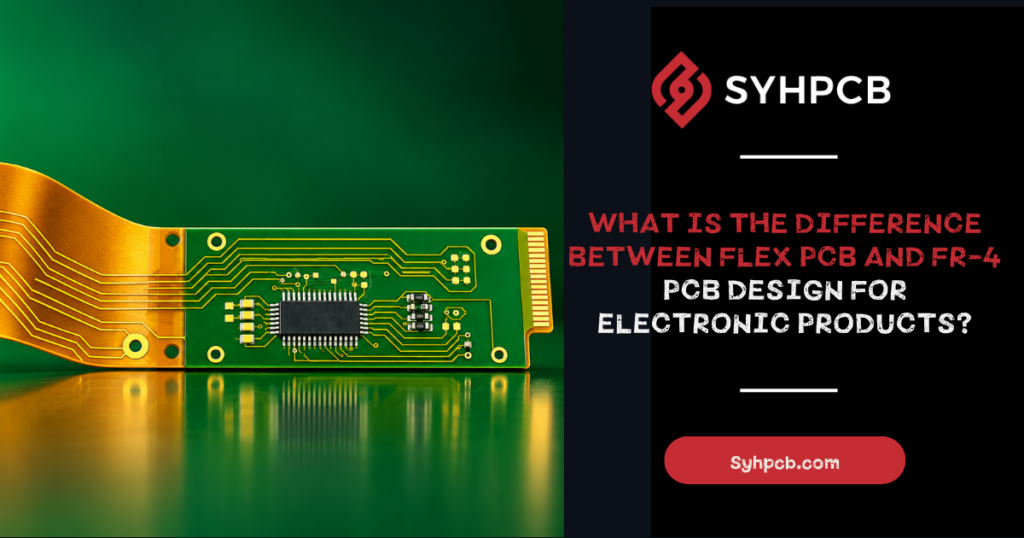
Selecting the right printed circuit board (PCB) is an important part of developing reliable electronic products. Depending on product dimensions, installation requirements, and electrical performance, manufacturers may choose flexible PCBs or traditional rigid circuit boards.
Two commonly considered options are Flex PCB and FR-4 PCB. While both serve different purposes, understanding their design characteristics helps engineers select the appropriate solution for their applications.
What Is Flex PCB Design?
Flex PCB design involves developing printed circuit boards with flexible insulating materials, typically polyimide, allowing the circuit to bend or fold to meet product requirements.
Unlike traditional rigid boards, flexible PCBs can accommodate curved surfaces, compact spaces, and electronic products with moving or folding components.
Common Flex PCB design considerations include:
- Flexible material and copper selection.
- Bend radius and bending direction.
- Circuit trace routing.
- Component placement.
- Board thickness and dimensions.
- Mechanical stress and durability.
Proper flex PCB layout design is important because incorrect trace routing, insufficient bend radius, or unsuitable material selection can affect the board’s reliability.
What Is FR-4 PCB Manufacturing?
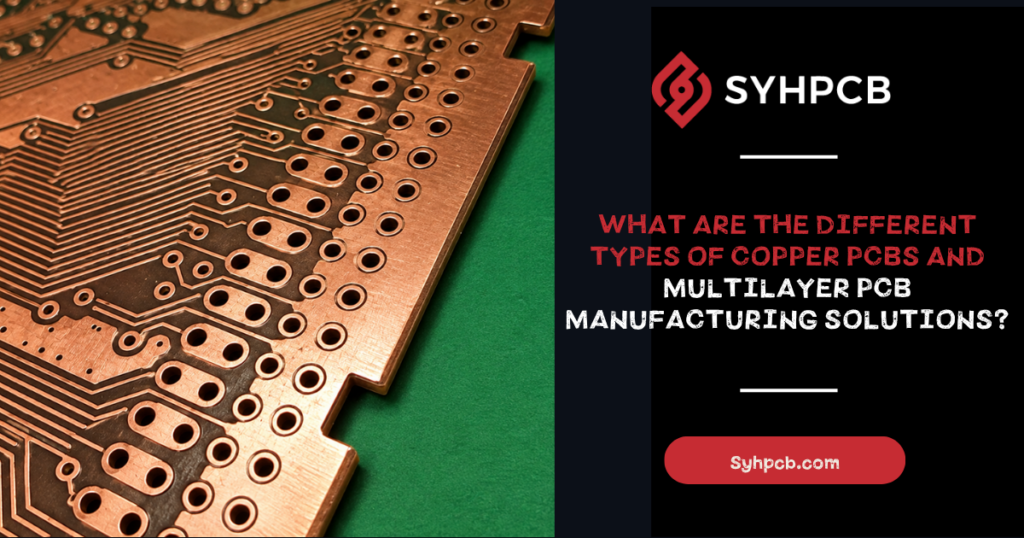
FR-4 is a widely used PCB substrate made from woven glass-reinforced epoxy laminate. It provides good electrical insulation, mechanical strength, and dimensional stability.
FR-4 PCB manufacturing involves producing rigid circuit boards based on specific design files, layer configurations, copper thicknesses, and surface-finish requirements.
FR-4 PCBs are commonly used in:
- Consumer electronics.
- Industrial control systems.
- Computer hardware.
- Communication equipment.
- Power supply circuits.
- Electronic monitoring devices.
For consumer electronics, FR-4 PCBs offer a practical solution for products that require stable circuit structures, including home appliances, electronic controllers, and other everyday devices.
What Is the Difference Between Flex PCB and FR-4 PCB?
Both PCB types support electronic circuit development, but their materials and mechanical characteristics differ.
| Feature | Flex PCB | FR-4 PCB |
| Base material | Typically polyimide | Glass-reinforced epoxy |
| Structure | Flexible | Rigid |
| Bending capability | Designed for flexibility | Generally not designed for repeated bending |
| Applications | Compact and flexible electronics | Consumer and industrial electronics |
| Design focus | Bend radius and mechanical stress | Layer structure and circuit routing |
The appropriate choice depends on product requirements, available installation space, operating conditions, and manufacturing specifications.
How Do You Design a Reliable Flex PCB Layout?
Flex PCB layout design requires attention to both electrical and mechanical considerations.
1. Maintain the Appropriate Bend Radius: The bend radius should follow the material and manufacturer recommendations to reduce mechanical stress.
2. Optimize Copper Trace Routing: Avoid unnecessary sharp corners and abrupt trace transitions in bending areas.
3. Select Suitable Materials: Polyimide and appropriate copper configurations should be selected according to the application’s flexibility and operating requirements.
4. Consider Component Placement: Components should generally be positioned outside dynamic bending areas unless the design specifically supports them.
5. Review Manufacturing Requirements: Consult the manufacturer about layer stack-up, board thickness, coverlay, stiffeners, and other fabrication specifications before production.
Why Choose SYH PCB for Customized PCB Manufacturing?
Established in 2007, SYH PCB (Shenzhen SYH Photoelectric Co.,Ltd) provides customized PCB fabrication and PCBA manufacturing solutions from Shenzhen, China.
The company supports different PCB requirements, including FR-4, aluminum, high-conductivity copper, multilayer, and impedance-controlled PCB configurations, along with SMT and mixed-technology assembly.
For businesses developing consumer electronics, industrial equipment, and specialised electronic products, selecting the right PCB materials and manufacturing specifications is essential.
SYH PCB works with customers across Europe, North America, South America, and Asia to discuss customized PCB and PCBA manufacturing requirements.
Contact SYH PCB to discuss your PCB design, material selection, and manufacturing specifications.
Frequently Asked Questions
1. What material is commonly used in Flex PCB design?
Polyimide is commonly used as the insulating base material for flexible PCBs because of its flexibility and thermal properties.
2. Is FR-4 PCB suitable for consumer electronics?
Yes. FR-4 PCBs are widely used in consumer electronics because they provide good electrical insulation, mechanical strength, and cost-effective manufacturing options.
3. Can Flex PCB be used in compact electronic devices?
Yes. Flexible PCBs suit compact products where circuits must fit in limited spaces or follow curved surfaces.
4. What should be considered during Flex PCB layout design?
Important considerations include bend radius, copper trace routing, material selection, layer stack-up, component placement, and mechanical stress.
5. Can FR-4 PCB and Flex PCB be customized according to project requirements?
Yes. Depending on manufacturing capabilities, PCB materials, dimensions, thicknesses, layer configurations, and other specifications can be customized for different electronic applications.